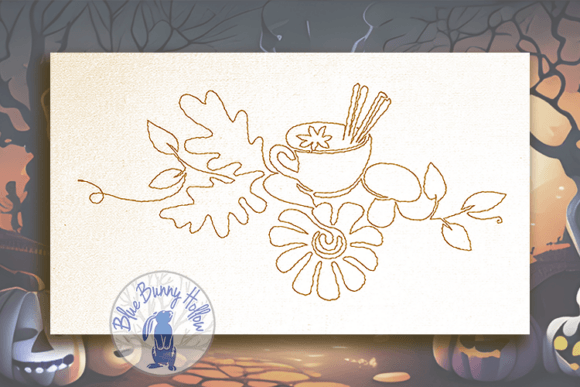
Autumn Cider: A Designer’s Review for Craft Fair Success
As an embroidery designer who has spent countless weekends standing behind booth tables, I have learned that not every design translates from screen to sales. When I first loaded the Autumn Cider machine embroidery design into my software, I was looking for more than just aesthetic appeal. I was evaluating its potential as a high-converting craft fair product. The description promises to "harness the aesthetics of fall," and after reviewing the linework structure, I can confirm this design is tailored explicitly for quick stitching endeavors without sacrificing visual impact.
First Impressions: Linework Meets Fall Warmth
The immediate vibe of Autumn Cider is rustic yet refined. It does not scream for attention with neon brightness; instead, it invites the viewer in with a sense of cozy familiarity. The linework approach gives it a hand-drawn, artisanal feel that resonates deeply with customers seeking authentic handmade products. It feels minimal enough to fit modern farmhouse decor but decorative enough to stand out on a crowded display table. For an Etsy seller or boutique maker, this balance is crucial. It avoids the cluttered look that often plagues seasonal designs, offering a clean silhouette that reads well from a distance.
Product Versatility and Market Fit
When planning my inventory for a weekend market, I always ask: where does this design live best? Autumn Cider is remarkably versatile. Here is how it performs across key categories:
- Tote Bag Design: This is perhaps the strongest application. The linework scales beautifully on canvas. Placed centrally or in the lower corner, it turns a basic bag into a statement piece. Customers love tote bags that feel seasonal but remain usable year-round, and this design strikes that chord.
- Apron Embroidery: For kitchen-focused buyers, an apron featuring Autumn Cider suggests warmth and hospitality. The design works well on the bib or the pocket, adding a touch of personality to functional wear.
- Tea Towel Embroidery: Linework designs are ideal for textured fabrics like waffle weave or flour sack towels. The stitches sit nicely on the surface without creating excessive bulk, making these towels both decorative and durable.
- Embroidered Patch: If you offer iron-on or sew-on patches, this design is a winner. It holds its shape well when digitized for smaller hoop sizes, allowing customers to customize their denim jackets or backpacks.
Production Practicality for Small Shop Owners
For those of us running a small shop product line, time is money. The description highlights this as an "impeccable choice for all your quick stitching endeavors." In practice, this means lower thread consumption and faster turnaround times. You can batch-produce items efficiently, which is essential when preparing for holiday rushes. However, because it is a linework design, you must pay attention to stitch density. While generally lighter than fill-stitch designs, ensuring the lines are thick enough to be visible on textured fabrics is key.
Photography is another critical factor. Autumn Cider photographs exceptionally well. The clean lines create high contrast against solid-colored fabrics, making it perfect for creating a compelling printable mockup or digital listing image. Clear, crisp photos drive clicks, and this design delivers the clarity needed for online sales platforms.
Careful-Use Notes and Technical Considerations
While Autumn Cider is user-friendly, there are technical nuances to consider before launching your commercial embroidery run. Always check the specific details of the digital embroidery file you purchase, as stitch count and exact format were not provided in the brief description.
- Fabric Texture: On highly textured materials like thick terry cloth or heavy wool, fine linework can get lost. Test on scrap fabric first. If the lines disappear, consider using a contrasting thread color or slightly increasing the stitch width if your software allows editing.
- Curved Surfaces: If applying this to caps, be mindful of the curvature. Linework can distort if not stabilized properly. Use a strong cut-away stabilizer to prevent puckering, especially on structured caps.
- Dark Fabric: Ensure your thread colors pop against dark backgrounds. Cream, gold, or burnt orange threads work beautifully for fall themes, but avoid muted browns on chocolate brown fabric.
- Small Lettering: If the design includes any text elements, verify legibility at smaller sizes. Tiny details may merge if the needle size is too large or if the fabric shifts during stitching.
Enhancing Visual Appeal and Brand Consistency
Using Autumn Cider consistently across your product line strengthens your brand identity. Imagine a booth display where tote bags, pillow covers, and kitchen linens all feature this cohesive design element. It creates a curated look that suggests professionalism and attention to detail. This consistency boosts buyer engagement, as customers perceive higher value in a coordinated collection versus random, disparate items.
Furthermore, the design supports the narrative of quality. It does not look mass-produced; it looks crafted. This perception allows you to price your finished product at a premium point, reflecting the handmade effort and artistic choice involved.
Final Designer Recommendations
Before you commit to a large production run, take these practical steps:
- Test on Scrap Fabric: Never skip this step. Check for thread breaks, tension issues, and overall look on your intended material.
- Review Spacing and Hoop Size: Confirm the hoop size required. Ensure the design fits comfortably within your standard hoops to minimize re-hooping time.
- Check Commercial Licensing: Always verify the license terms included with your design assets. Ensure you have the right to sell finished physical goods made with this embroidery file.
- Create Real Mockups: Stitch one sample item and photograph it in natural light. Use this image for your primary listing to show true scale and texture.
In conclusion, Autumn Cider is a strategic addition to any fall-themed inventory. It balances aesthetic charm with production efficiency, making it a reliable performer for craft fairs and online shops alike. By respecting the technical requirements of linework embroidery and leveraging its visual clarity, you can create products that not only sell but also delight your customers with their quality and charm.