Blooming Hearts: A Designer’s Review for Personalized Gifts
As an embroidery designer who has spent countless hours tweaking digitizing settings and testing thread combinations, I approach every new machine embroidery design with a critical eye. It is not just about how it looks on the screen; it is about how it performs in the hoop and how it resonates with the end customer. Recently, I had the opportunity to test Blooming Hearts, a charming addition to the Valentine S Day category, specifically to see if it holds up for high-end personalized gift products. My goal was simple: determine if this design is ready for my shop’s upcoming seasonal lineup.
First Impressions: Mood and Artistic Appeal
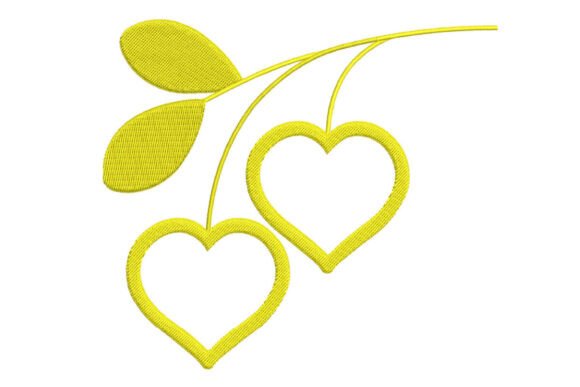
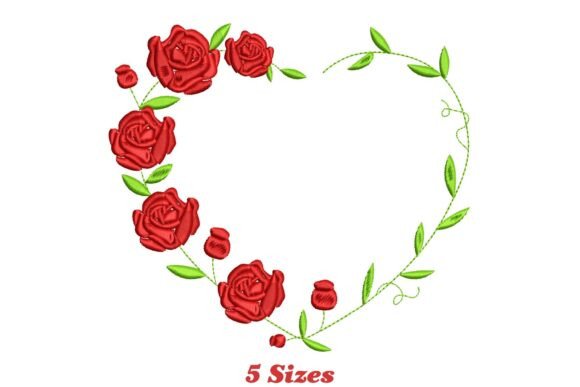
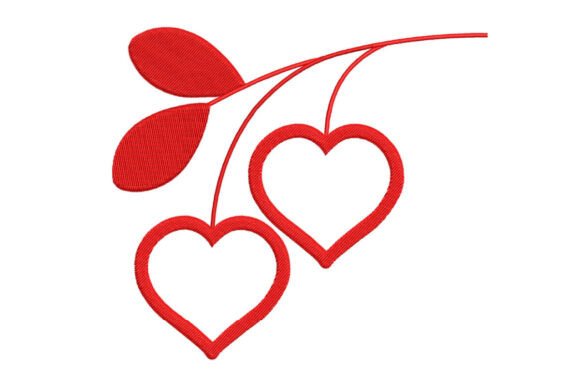
The moment I loaded the embroidery file into my software, the mood of Blooming Hearts was immediately apparent. It strikes a delicate balance between playful and elegant. Unlike some overly complex floral patterns that can look cluttered when stitched out, this design offers a cheerful and artistic touch that feels genuinely handmade. The lines are clean, suggesting a modern yet classic aesthetic that appeals to a broad demographic. For a designer, this versatility is gold. It does not scream "seasonal" so loudly that it becomes obsolete in March, yet it carries enough romantic weight to serve as a perfect Valentine S Day feature.
The emotional appeal here is strong. It feels sweet without being childish, making it suitable for both nursery items and sophisticated home decor. When I envision this stitched onto a crisp linen towel or a soft cotton tote, it adds a dash of character that elevates the base product from mundane to meaningful. This is exactly what customers are looking for when they search for a personalized gift—something that feels curated and special.
Versatility Across Product Categories
One of the strongest assets of Blooming Hearts is its adaptability. In my review, I mapped out several potential applications for this design across different product types. For baby embroidery, the soft curves and heart motifs make it an ideal choice for blanket embroidery or onesies. Parents are constantly seeking unique nursery decor, and a custom embroidered pillow cover featuring this design could easily become a heirloom piece.
For wedding gift seekers, the design offers a subtle nod to romance without being overtly cliché. Imagine this stitched onto a high-quality apron for a couple who loves to cook, or monogrammed alongside the hearts on a set of embroidered towels. As an Etsy seller or small shop owner, having a design that works across multiple categories reduces your inventory risk. You can use the same digital embroidery file to create listings for tote bags, kitchen linens, and textile art, maximizing your return on investment.
Furthermore, for craft fair products, visual impact is everything. Blooming Hearts has enough detail to catch the eye from a distance but remains clear enough to be appreciated up close. It creates an instant emotional connection, which is crucial for driving impulse buys at markets or increasing buyer engagement online.
Technical Considerations and Fabric Challenges
While the aesthetic is promising, a professional review must address the technical realities of stitching. No matter how beautiful a design looks in a printable mockup, it must survive the needle. Here are the areas where I recommend caution and careful planning when using Blooming Hearts.
- Fabric Texture and Stability: Textured fabric can sometimes obscure fine details. If you are stitching this on a thick terry cloth towel, ensure that the stitch density is sufficient to stand out against the pile. Conversely, on smooth fabrics like satin or silk, too much density can cause puckering.
- Stretchy Materials: Baby clothes and t-shirts are often made from stretchy knits. Without the proper stabilizer, the hearts may distort after washing. Always use a cut-away stabilizer for garments that will undergo frequent movement and washing.
- Dark Fabric Contrast: The charm of this design relies on its clarity. On dark fabric, you must carefully select thread colors that provide high contrast. A pastel pink on navy blue might get lost, whereas a bright white or metallic gold could pop beautifully.
- Curved Surfaces: Stitching on curved surfaces like the toe of a sock or the corner of a pillow cover requires precise hooping. Ensure the design fits comfortably within your chosen hoop size without hitting the edges.
It is also vital to check small details after stitching. Some intricate parts of floral or heart designs can merge if the thread tension is off. I always recommend running a test on scrap fabric that matches the weight and weave of your final product. This allows you to adjust thread color contrast and confirm that the stitch density does not compromise the fabric's drape.
Enhancing Perceived Value and Trust
From a business perspective, Blooming Hearts contributes significantly to perceived value. A well-executed custom embroidery job signals quality and care. When customers see a finished product with clean stitches and thoughtful design placement, their trust in your brand increases. This design supports that narrative by offering a polished look that feels premium.
For handmade product sellers, the ability to offer personalization is a key differentiator. Whether it is adding a name beneath the hearts or choosing specific thread colors to match a nursery theme, this design serves as an excellent base for customization. It encourages buyer engagement because customers love to feel involved in the creation process. By offering variations—such as different colorways for the hearts—you can create multiple listings from a single asset, boosting your shop’s visibility.
Practical Steps Before Commercial Use
Before listing Blooming Hearts as part of your commercial embroidery offerings, there are several administrative and technical checks to complete. First, confirm commercial licensing. Just because a design is trendy does not mean it is free to use for profit. Always verify the terms associated with the digital embroidery file you purchase or download.
- Test Stitch-Outs: Never skip this step. Stitch the design on the exact fabric type you intend to sell. Check for thread breaks, jumps, or distortion.
- Hoop Size Verification: Confirm the required hoop size. If the design is large, ensure your machine can accommodate it, or consider splitting the design if necessary (though this is less ideal for seamless looks).
- Wash Testing: Since many of these items, like embroidered towels and baby blankets, need frequent washing, run a wash test. Check for color bleeding or stitch loosening.
- Mockup Creation: Create high-quality images showing the design on various products. Use real photos rather than just digital overlays to show the texture and depth of the stitches.
In conclusion, Blooming Hearts is a robust contender for any embroidery designer’s library. It brings a cheerful, artistic vibe that enhances fabrics with character. Whether you are creating a wedding gift, a baby keepsake, or a stylish home decor item, this design delivers on both aesthetic appeal and practical application. With proper attention to stabilizer choice, thread selection, and fabric preparation, it can become a staple in your personalized gift collection, driving sales and delighting customers throughout the year.