Bonfire Bw: A Designer’s Review for Real Stitching
As an embroidery designer who has spent countless hours digitizing, testing, and stitching out thousands of files, I have developed a keen eye for what works in the machine versus what only looks good on a screen. When I first loaded Bonfire Bw into my software, I was immediately drawn to its stark, graphic quality. This is not just another cute clipart conversion; it is a deliberate study in contrast and negative space. For those of us running small shops or creating personalized gifts, finding designs that translate well across various fabrics without requiring excessive thread changes is a goldmine.
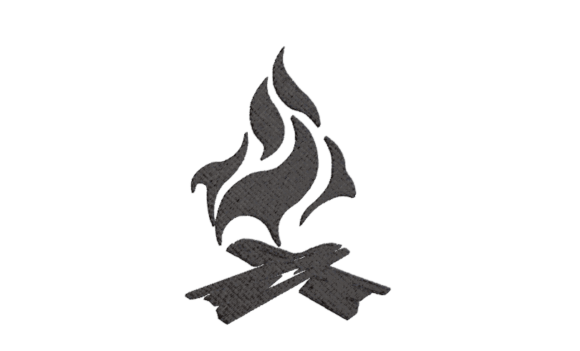
The premise of Bonfire Bw is simple yet evocative. It captures the essence of a campfire—warmth, gathering, and nostalgia—through a monochromatic lens. In a market saturated with colorful, complex machine embroidery design options, this black-and-white approach offers a refreshing alternative. It feels modern, minimalist, and incredibly versatile. But does it hold up under the needle? Let’s break down how this Embroidery file performs in real-world applications.
First Impressions and Visual Mood
The immediate mood created by Bonfire Bw is one of cozy sophistication. The lack of color forces the viewer to focus on shape and line weight. For a designer, this is crucial because it means the success of the stitch-out relies heavily on clean digitizing rather than vibrant thread palettes masking poor structure. The imagery suggests a flickering flame, rendered in a way that avoids the chaotic, messy look that poorly digitized fire motifs often suffer from.
This charm transforms mundane items into unique conversation pieces. I envision this design sitting perfectly on a high-quality cotton tote bag design or as a subtle chest emblem on a heavyweight hoodie. It does not scream for attention; instead, it invites a closer look. For Etsy seller accounts and craft business owners, this subtlety is a powerful tool. It appeals to customers who prefer understated elegance over loud branding.
Real-World Application: The Custom Tote Test
To truly evaluate Bonfire Bw, I simulated a common project scenario: creating a set of reusable market totes for a local boutique client. The goal was to produce a handmade product that felt artisanal but durable. I chose a natural canvas fabric, which provides a textured background that can sometimes challenge fine details.
Because the design is categorized under Freebies, I approached it with a bit of caution regarding density and stability. However, upon stitching, the results were impressive. The fill stitch areas representing the core of the fire were dense enough to provide coverage without causing puckering, provided I used a medium-weight cut-away stabilizer. The surrounding elements, likely utilizing running stitch or lighter fills, balanced the composition nicely. The contrast between the black thread and the natural canvas was striking, proving that this embroidery file thrives in high-contrast scenarios.
This test confirmed that Bonfire Bw is ideal for custom apparel and home goods where durability matters. Unlike delicate applique design work that might fray or require careful washing instructions, this solid stitch approach holds up well. It would also make an excellent embroidered patch if stitched on twill and then applied to jackets or hats.
Navigating Fabric and Hoop Constraints
While Bonfire Bw is versatile, it is not without its limitations. As a professional, I must advise caution when using this design on certain materials. The black-and-white nature means that thread colors are critical. On dark fabrics, you cannot simply use black thread; you would need to switch to white or a light gray, which completely changes the visual impact. Always test your thread color contrast before committing to a final finished product.
Additionally, consider the hoop size. If you are planning to use this on smaller items like baby clothes or caps, ensure the design scales down without losing definition. Tiny details in the flames might merge if the stitch density is too high for the scale. For baby embroidery, I recommend checking the back of the stitch-out to ensure no scratchy jump stitches remain, as sensitive skin requires smooth finishes.
Textured fabrics like terry cloth towels can swallow fine lines. Since Bonfire Bw relies on clear imagery, avoid using it on highly plush surfaces unless you use a topping stabilizer to keep the stitches floating above the pile. For holiday embroidery projects, such as kitchen towels or aprons, a smooth linen or cotton blend will yield the crispest results.
Commercial Viability and Brand Consistency
For digital embroidery file sellers and small shop product creators, consistency is key. Bonfire Bw offers a cohesive look that can be part of a larger collection. Imagine pairing this with other nature-inspired monochrome designs to create a branded line of personalized gift items. The simplicity allows for easy integration into printable mockup previews, making it easier to market online.
However, always verify the license terms. Even though it is listed as a freebie, commercial use rights can vary. Confirm whether you can sell finished product items made with this design or if it is for personal use only. This due diligence protects your craft business from legal issues and builds trust with your customers.
Practical Designer Notes
- Test on Scrap Fabric: Always run a test stitch on the same fabric type you intend to use for the final item. This helps identify any tension issues or registration errors.
- Check Stitch Density: Review the density map in your software. If areas are too dense, consider reducing the percentage slightly to prevent fabric distortion, especially on lighter materials.
- Stabilizer Selection: Use a cut-away stabilizer for stretchy fabrics like sweatshirts to maintain shape. For woven fabrics like tote bags, a tear-away may suffice if the design is not overly dense.
- Mockup Verification: Create black and white mockups to visualize how the design will look on different colored garments before stitching.
- Detail Inspection: Zoom in on the smallest elements of the flame. Ensure they are wide enough to stitch cleanly without breaking threads.
In conclusion, Bonfire Bw is a strong contender for designers looking for reliable, aesthetically pleasing design assets. It bridges the gap between artistic expression and practical commercial embroidery needs. Whether you are creating sweatshirt embroidery for a brand launch or a simple holiday embroidery gift for a friend, this design delivers clarity and charm. Just remember to respect the material constraints and always prioritize proper stabilization for a professional finish.