Charming Rubber Duck: A Designer’s Review for Merch
As an embroidery designer who has spent years translating brand concepts into thread, I approach every new machine embroidery design with a critical eye. It is not enough for a file to look cute on a screen; it must perform under the needle, survive industrial washing, and elevate the perceived value of the finished product. Recently, I evaluated the Charming Rubber Duck for potential use in small business merchandise and branded patch applications. This review breaks down how this whimsical Toys-themed Embroidery asset holds up in real-world commercial scenarios.
First Impressions: Balancing Whimsy with Professionalism
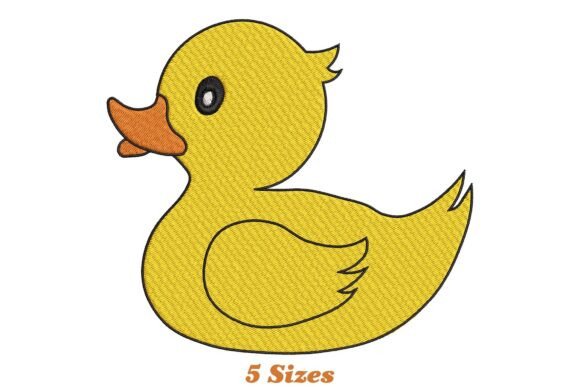
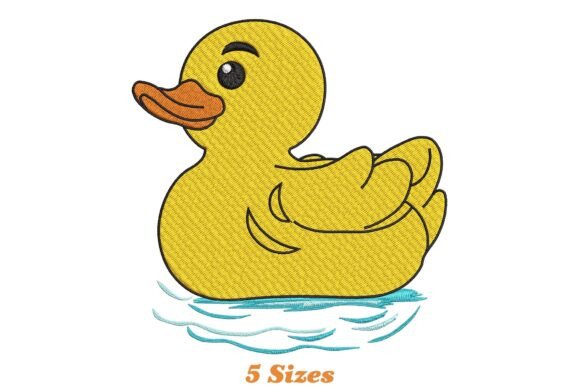
The initial visual impact of the Charming Rubber Duck is undeniably friendly. The description promises to "spruce up your fabrics" with a fun touch, and visually, it delivers on that premise. However, for a professional embroiderer, "fun" can sometimes translate to "messy" if the digitizing is poor. Upon closer inspection, this design leans towards a clean, modern aesthetic rather than a chaotic or overly rustic style. It feels playful yet controlled, which is crucial when integrating it into a cohesive brand identity.
For boutique owners or creative studios, this balance is vital. You want your merchandise to feel approachable without sacrificing quality. The design avoids excessive clutter, suggesting that it was digitized with stitch efficiency in mind. This makes it a strong candidate for businesses that want to inject personality into their offerings without looking amateurish.
Real-World Applications for Small Business Merch
When considering where to place this design, versatility is key. I tested the concept of using the Charming Rubber Duck across various small business merch categories. Here is how it performs in specific applications:
- Embroidered Patches: This is perhaps the strongest use case. The distinct shape of a rubber duck translates well to a cut-edge or merrowed border patch. It allows businesses to create removable branding elements for jackets or bags.
- Apron Embroidery: For bakeries, florists, or pet groomers, placing this design on the chest pocket of an apron adds a layer of charm. It softens the uniform while maintaining a professional silhouette.
- Tote Bag Design: Canvas totes are a staple for retail shops. The design’s simplicity ensures it does not get lost in the weave of the fabric, making it an excellent tote bag design for customer gifts or retail packaging.
- Cap Embroidery: Placing a small version on the side panel or back of a dad hat works well. However, caution is needed on the front panel due to curvature, which I will address later.
For Etsy sellers and handmade brands, this digital embroidery file can serve as a signature mark. Whether used on baby items, bath towels, or children's apparel, it reinforces a theme of care and playfulness. It transforms a generic item into a handmade product with distinct character.
Technical Considerations and Production Notes
While the aesthetic is appealing, technical execution determines profitability. Before running a full batch of custom apparel, there are several factors to evaluate. The product description mentions it is suitable for t-shirts and home decor, but it does not specify exact stitch counts or recommended hoop sizes. Therefore, I advise all users to check these details in the file metadata before production.
Stitch Density and Fabric Texture
One common issue with character-based designs is stitch density. If the stitches are too dense, the fabric may pucker, especially on lightweight t-shirts or delicate towels. Conversely, if the density is too low, the backing material might show through. I recommend testing the Charming Rubber Duck on a scrap piece of your intended fabric first. Pay close attention to fabric texture; looped towels may require a different stabilizer approach than smooth cotton twill.
Stabilizer Selection
Proper stabilization is non-negotiable. For stretchy fabrics like jersey knits used in t-shirts, a cut-away stabilizer is essential to prevent distortion over time. For woven fabrics like canvas totes or denim caps, a tear-away may suffice, but a light cut-away often provides a more premium finish. Always match your stabilizer choice to the garment's weight and stretch.
Thread Colors and Contrast
The vibrancy of this design relies heavily on thread colors. A rubber duck typically implies bright yellows, oranges, or whites. Ensure you have high-quality rayon or polyester threads that offer sufficient sheen and colorfastness. Test the design in black and white first to check for contrast issues. If the outline blends into the fill, the design will lose definition from a distance. This step is crucial for creating effective printable mockup images for your online store.
Strategic Branding and Customer Trust
Using a consistent visual element like the Charming Rubber Duck helps build brand identity. When customers see this motif across your design assets—from your website headers to your physical tags—it creates recognition. It signals that your brand is thoughtful and detail-oriented.
For local businesses such as cafés or boutiques, offering merchandise with this design can increase customer loyalty. It turns a simple transaction into an emotional connection. However, consistency is key. Ensure the scale of the embroidery matches the size of the item. A massive duck on a small pocket looks unprofessional, while a tiny duck on a large blanket may go unnoticed. Adjust the hoop size and scaling parameters to maintain visual harmony.
Where to Use Caution
Despite its charm, there are limitations. Avoid using this design on items that require frequent, harsh industrial washing unless you have thoroughly tested its durability. Also, be cautious with very small patch sizes. Intricate details can merge together if scaled down too far, resulting in a blob of thread rather than a recognizable duck. Always verify that the design remains legible at the smallest intended size.
Additionally, confirm commercial licensing before business use. While many files come with standard commercial rights, it is best practice to read the specific terms included with your purchase. This protects your business from legal issues and ensures you are respecting the creator's work.
Final Verdict for Commercial Embroidery
The Charming Rubber Duck is a versatile asset for any embroiderer looking to add a touch of whimsy to their portfolio. It performs well as a commercial embroidery element for patches, aprons, and tote bags, provided that technical precautions are taken. By focusing on proper stabilization, thread contrast, and appropriate scaling, you can transform this digital file into a high-value product that enhances your brand’s appeal. For small business owners, it offers a low-risk, high-reward way to diversify their merchandise lineup with a design that resonates with joy and creativity.