Fresh Lemon Fruit Embroidery: A Designer’s Review
As an embroidery designer who spends countless hours digitizing and stitching, I am always on the lookout for designs that balance whimsical charm with technical reliability. When I stumbled upon Fresh Lemon Fruit in the Food category on Creative Fabrica, it immediately caught my eye. The promise of adding a dash of charm to fabrics is compelling, but as professionals, we know that visual appeal is only half the battle. The real test lies in how a machine embroidery design performs under the needle, especially when intended for commercial use or high-quality handmade gifts.
In this review, I will break down my experience evaluating Fresh Lemon Fruit for real-world projects. Whether you are an Etsy seller looking to expand your summer collection, a boutique owner curating unique home decor, or a hobbyist wanting to personalize kitchen towels, understanding the nuances of this design is crucial before you hit download.
First Impressions and Visual Mood
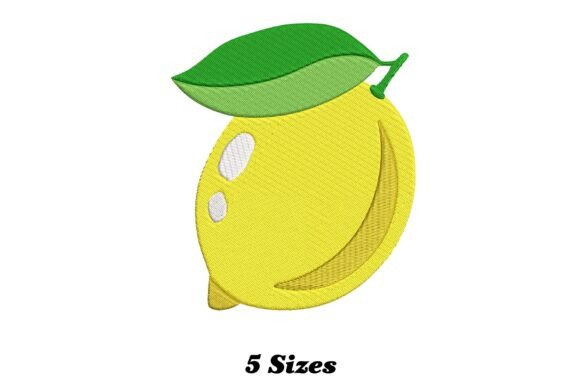
The initial appeal of Fresh Lemon Fruit is its playful and whimsical touch. In the world of embroidery, food motifs can often look too cartoonish or overly complex, but this design strikes a pleasant middle ground. It feels fresh, vibrant, and inviting. For designers, the visual mood suggests versatility. It is not just a static image; it carries an energy that translates well to various textiles. The detailing appears sufficient to capture the essence of a lemon without becoming so dense that it compromises the fabric’s drape.
This type of embroidery file is ideal for those moments when a project needs a pop of personality. Whether you are working on custom apparel or home accessories, the design’s aesthetic aligns perfectly with current trends favoring bright, cheerful, and nature-inspired elements. It fits naturally into a broader collection of design assets that cater to spring and summer markets.
Real-World Application and Project Suitability
When considering where to place Fresh Lemon Fruit, my mind immediately went to items that benefit from a lighthearted accent. Here are several practical applications where this design shines:
- Kitchen Textiles: This is perhaps the most obvious fit. Embroidered on tea towels or aprons, the lemon motif adds a cohesive theme to kitchen decor. It transforms a plain cotton towel into a personalized gift that feels thoughtful and curated.
- Custom Apparel: Imagine this design stitched onto the pocket area of a denim jacket or the chest of a white t-shirt. It works beautifully for sweatshirt embroidery, offering a subtle yet stylish detail that appeals to buyers looking for unique, non-mass-produced clothing.
- Tote Bag Design: Canvas tote bags are staples for craft fairs and online shops. Placing Fresh Lemon Fruit centrally or as part of a larger cluster can elevate a simple bag into a statement piece.
- Nursery and Baby Items: The soft, friendly nature of the design makes it suitable for baby blankets or bibs, provided the stitch density is appropriate for delicate skin and frequent washing.
- Embroidered Patches: If you create patches for sale, this design could serve as a charming iron-on accessory for hats or backpacks, expanding your product line without requiring new digitization work.
For small business owners, having a versatile design like this allows for consistent branding across different product types. You can use the same embroidery file for a pillow cover, a cap, and a tote, creating a recognizable visual identity for your shop.
Technical Considerations for Stitching Success
While the design looks promising, successful execution depends on technical preparation. As an experienced stitcher, I always advise checking specific file details before starting a customer order. Since the product description does not specify exact stitch counts or hoop sizes, you must verify these on the Creative Fabrica product page. However, here are general best practices for handling a design of this nature.
Fabric and Stabilizer Selection
The choice of fabric significantly impacts the final look. For structured items like tote bags or caps, a cut stabilizer provides the necessary support. For stretchy fabrics like sweatshirts or t-shirts, a tear-away or wash-away stabilizer might be preferable to maintain comfort. Always test on scrap fabric first. This step is non-negotiable for professional results. Check how the thread colors contrast against your chosen material. A bright yellow lemon may get lost on a pale cream background, so consider using a satin stitch border or adjusting thread shades to ensure visibility.
Stitch Density and Texture
Food-themed designs often utilize a mix of fill stitch for the fruit body and satin stitch for outlines or leaves. Pay attention to the stitch density. If the design is too dense, it can cause puckering, especially on lighter fabrics like kitchen towels. Conversely, if it is too sparse, the backing might show through. Inspect small details after stitching a test run. Are the tiny segments connecting properly? Is there any thread breakage in tight curves? These observations will help you adjust tension and speed on your machine.
Curved Surfaces and Hoop Size
If you plan to use Fresh Lemon Fruit on curved surfaces like caps or mugs, confirm that the hoop size accommodates the design without distortion. Curved embroidery requires precise hooping and often benefits from specialized frames. Ensure the design fits within your machine’s maximum hoop area to avoid re-hooping mid-stitch, which can lead to misalignment.
Enhancing Product Value and Buyer Trust
From a business perspective, the quality of your embroidery directly influences buyer trust. A clean, well-executed Fresh Lemon Fruit design signals professionalism. It shows that you care about the finished product, not just the speed of production. High-quality stitching enhances the perceived value of your handmade product, allowing you to price your items competitively.
Moreover, this design aids in product photography. Bright, cheerful embroidery photographs well, making your listings stand out on platforms like Etsy. When customers see a crisp, vibrant lemon on a soft towel or a stylish shirt, they can easily visualize it in their own homes or wardrobes. This emotional connection drives engagement and sales.
For those selling digital embroidery files, using this design in printable mockups can demonstrate its versatility to potential buyers. Showcasing the design on various items helps customers imagine its potential, increasing the likelihood of purchase.
Final Verdict and Licensing Notes
Fresh Lemon Fruit is a strong contender for designers looking to add a playful, seasonal element to their repertoire. Its adaptability across different textiles—from sturdy canvas to soft cotton—makes it a valuable addition to your library of design assets. However, always remember to check the licensing terms on the Creative Fabrica product page. Understanding whether the license covers commercial embroidery products is essential before selling finished items.
Before committing to a large batch, stitch out a sample. Compare light and dark fabric mockups to ensure versatility. Verify that the file formats provided are compatible with your specific embroidery machine. By taking these precautions, you can confidently integrate Fresh Lemon Fruit into your workflow, creating beautiful, marketable pieces that delight your customers.
In conclusion, this design offers a blend of aesthetic charm and practical utility. With careful attention to stabilizer choice, thread contrast, and stitch testing, it can become a staple in your collection of custom apparel and home decor offerings. Happy stitching!