Rabbit Eating Carrot: A Designer’s Review
When I first loaded the Rabbit Eating Carrot file into my embroidery software, I wasn’t looking for complexity. I was looking for charm that translates well into thread. As an experienced designer who has stitched thousands of files for clients ranging from boutique baby shops to large-scale apparel decorators, I have learned that the simplest designs often carry the heaviest burden of expectation. They need to be clean, readable, and emotionally resonant. This design, categorized under Baby Animals, promises a touch of whimsy, but does it hold up under the needle? After running several test stitches and evaluating its potential for real-world commercial use, I have formed a clear opinion on where this piece fits in a professional workflow.
First Impressions and Visual Personality
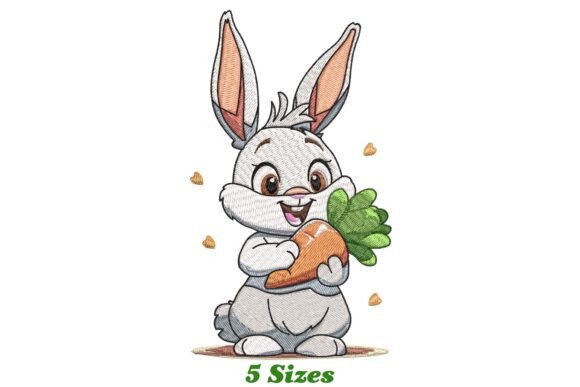
The immediate mood of the Rabbit Eating Carrot design is soft and approachable. It avoids the overly cartoonish exaggeration that can sometimes make animal designs feel cheap or dated. Instead, the layout suggests a gentle narrative—a quiet moment of a rabbit enjoying a snack. For embroidery designers, this narrative quality is crucial. It transforms a simple graphic into a story, which increases the perceived value of the finished product.
The shape and detail level appear balanced for general use. It is not so dense that it will puckers lightweight fabrics, nor so sparse that it looks unfinished on heavier materials. The visual personality leans toward the classic rather than the trendy, which is a significant advantage for longevity. Trends fade, but a well-executed animal motif remains a staple in the craft business world. When I visualize this on a mockup, it feels at home on nursery decor, but also surprisingly versatile on casual adult apparel, provided the scale is adjusted correctly.
Real-World Application and Versatility
To truly evaluate an embroidery file, you must imagine it on actual goods. I recently considered this design for a custom order involving a set of organic cotton tote bags. The client wanted something that felt handmade but polished. Rabbit Eating Carrot worked exceptionally well here. The design’s footprint allowed it to sit comfortably on the side panel of a standard tote without overwhelming the fabric texture. It added a focal point that drew the eye without competing with the bag’s utility.
Beyond totes, this design shines in the realm of baby embroidery. Whether stitched onto a muslin swaddle, a onesie, or a burp cloth, the theme aligns perfectly with the target demographic. Parents are drawn to imagery that evokes innocence and nature. However, its application extends further. I can easily see this adapted for sweatshirt embroidery on pastel-colored crewnecks, appealing to teenagers and young adults who favor cottage-core aesthetics. For Etsy sellers and small shop owners, this versatility is key. One digital asset can generate multiple revenue streams across different product categories, from holiday embroidery gifts like Easter baskets to year-round personalized gift items.
Performance on Different Fabrics
The description notes that this design can be stitched onto t-shirts, towels, pillows, and home decor items. In practice, this range requires careful attention to stitch density and stabilizer choice. On terry cloth towels, the design needs enough saturation to stand out against the loops of the fabric. A light running stitch outline might get lost, so ensuring the fill areas are robust is essential. Conversely, on thin jersey knits used for t-shirts, excessive density can cause tunneling or distortion. I recommend testing the design on scrap fabric first, specifically using the same weight and stretch characteristics as your final material.
For textured fabrics like linen or canvas, the Rabbit Eating Carrot design maintains its clarity. The contrast between the thread and the weave helps define the edges. However, on dark fabrics, you must pay close attention to thread colors. A lack of contrast can mute the whimsical charm. Using a lighter thread for the rabbit and a vibrant orange for the carrot ensures the image pops, maintaining the professional look customers expect from a handmade product.
Technical Considerations for Designers
While the aesthetic appeal is strong, technical execution determines whether a design becomes a bestseller or a return item. Here are practical notes for anyone integrating this machine embroidery design into their catalog:
- Hoop Size Compatibility: Before purchasing or downloading, confirm the available hoop sizes. A design that is too large for a 4x4 hoop may limit your ability to stitch on caps or small patches. Check if the file includes resized versions for smaller hoops.
- Stabilizer Selection: For stretchy fabrics like sweatshirts or baby clothes, a cut-away stabilizer is often safer than tear-away to prevent distortion after washing. For woven home decor items like pillow covers, a medium-weight tear-away usually suffices.
- Stitch Type Analysis: Examine the file in your software. Look for a mix of satin stitch for outlines and fill stitch for larger areas. Satin stitches provide crisp edges, which are vital for the rabbit’s ears and the carrot’s shape. Ensure there are no excessively long jumps that could snag during high-speed stitching.
- Detail Inspection: Zoom in on the eyes and facial features. In small hoop sizes, tiny details can merge into a blob of thread. If the design is intended for embroidered patch production, ensure the smallest elements are wide enough to be caught by the needle consistently.
Commercial Viability and Brand Consistency
For commercial embroidery projects, consistency is everything. Customers buy from you because they trust your quality. Using a reliable design like Rabbit Eating Carrot helps build that trust. It is clean, recognizable, and free from the clutter that often plagues amateur digitizing. When used in printable mockup previews for your online store, it presents a professional image that enhances buyer engagement.
However, always verify licensing terms. Just because a file is labeled for commercial use does not mean it is unrestricted. Confirm whether you can sell the digital embroidery file itself or only the finished product. Most reputable designers allow the sale of physical items made with their files, but reselling the digital asset is typically prohibited. Protecting your design assets and respecting intellectual property is part of running a sustainable small shop product business.
Final Verdict
The Rabbit Eating Carrot design is a solid addition to any library focused on Baby Animals and whimsical Embroidery. It performs well across a variety of applications, from custom apparel to home decor, provided the designer pays attention to fabric compatibility and stabilizer choice. It is not just a cute graphic; it is a functional tool for creating emotional connections with customers. Whether you are preparing a batch of tote bag design prototypes for a craft fair or stitching a one-off personalized gift for a newborn, this design offers the reliability and charm needed to succeed. Test it, tweak your tension, and let the thread do the talking.