Reviewing Enchanting Giraffe for Real Projects
As a designer who has spent countless hours staring at digitized files and watching needles dance across fabric, I have developed a specific eye for what works in the real world. We often get caught up in the digital preview, where every line looks crisp on a backlit screen. But the true test of any machine embroidery design is how it translates to thread, tension, and texture. Recently, I pulled up Enchanting Giraffe to evaluate its potential for a upcoming batch of custom orders, and here is my honest assessment of how this piece holds up under professional scrutiny.
First Impressions and Visual Personality
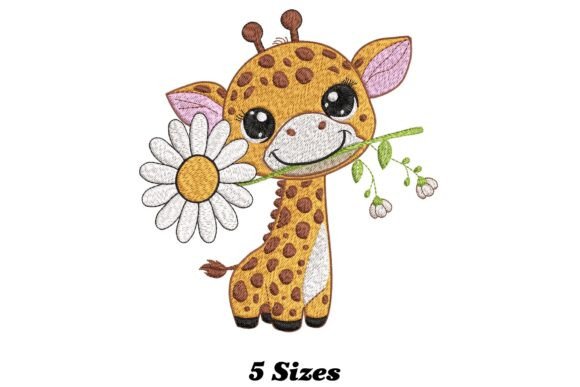
The first thing that strikes you about Enchanting Giraffe is its approachable charm. It does not try to be hyper-realistic, which is often a trap for beginners and even some seasoned digitizers. Instead, it leans into a stylized, artistic interpretation that feels modern and trendy. This is crucial because overly complex wildlife designs can turn into a muddy mess of thread breaks and puckering if the stitch density is not managed perfectly. This design avoids that pitfall by focusing on clean shapes and cheerful lines.
The mood it creates is undeniably light-hearted. It fits squarely into the Wild Animals category but strips away the intensity usually associated with safari themes. For an embroidery project aimed at children or whimsical home decor, this tonal shift is a significant advantage. It feels friendly rather than fierce, making it versatile for a wider range of clients who might shy away from traditional animal motifs.
Real-World Application: The Tote Bag Test
To truly understand the utility of this file, I imagined it applied to a canvas tote bag, a staple item for any Etsy seller or craft fair vendor. Canvas is a forgiving fabric, but it has a distinct weave that can swallow small details. Enchanting Giraffe appears to have enough structural integrity to stand out against the textured background of a tote. The lines are bold enough to remain visible from a distance, which is essential for retail products that need to catch a buyer’s eye across a crowded booth.
I also considered this design for sweatshirt embroidery. Here, the pile of the fleece can obscure fine details. If this design relies heavily on tiny running stitch outlines without sufficient fill or satin backing, it might get lost. However, the description suggests it adds a "dash of character," implying a balanced use of fill stitch areas that would sit nicely on top of heavier garments like hoodies or crewnecks. It would make an excellent centerpiece for a personalized gift, perhaps paired with a name in a complementary font below the giraffe.
Fabric and Hoop Considerations
When working with any new digital embroidery file, context is everything. While Enchanting Giraffe is described as ideal for t-shirts and towels, I would exercise caution with very thin or stretchy fabrics. Without proper stabilization, even a well-digitized design can cause gathering. For a baby embroidery project, such as a onesie or burp cloth, I would strongly recommend using a cut-away stabilizer to ensure the design remains flat after multiple washes. The cheerful nature of the giraffe makes it perfect for nursery items, but durability is key for products that will see heavy use.
For those interested in embroidered patch creation, this design could work well if scaled correctly. Patches require dense stitching and often a satin border to prevent fraying. You would need to check if the original file includes a border or if you need to add one in your editing software. If the design is too large for a standard 4x4 hoop, you might need to split it or resize it, keeping in mind that resizing can alter stitch density and lead to thread breaks.
Commercial Viability and Brand Consistency
For small shop product lines, consistency is vital. Enchanting Giraffe offers a level of professionalism that builds customer trust. It does not look like a clip-art conversion; it looks like a deliberate design choice. This distinction matters when you are building a brand. Buyers can sense the difference between a lazy upload and a curated design asset. Using high-quality motifs like this elevates the perceived value of your handmade product, allowing you to price your items more competitively.
If you are creating a printable mockup for your online store, this design photographs well. Its clear shapes and likely use of contrasting thread colors will pop in photos, which is essential for digital marketing. Whether you are selling the finished product or the design itself, visual appeal drives engagement. A cheerful giraffe on a neutral linen pillow cover or a bright kitchen towel creates an immediate emotional connection with the viewer.
Practical Designer Notes
Before you commit to stitching this on a client’s expensive garment, follow these practical steps:
- Test on Scrap Fabric: Always run a test stitch-out on the same type of fabric you intend to use. This reveals any tension issues or color clashes.
- Check Thread Contrast: Ensure your thread choices provide enough contrast against the fabric. A dark giraffe on navy blue might disappear, while the same design on cream will shine.
- Verify Licensing: If you plan to use this for commercial embroidery or sell items made with it, confirm the license terms. Some designers allow unlimited sales, while others have caps.
- Inspect Small Details: Zoom in on the digital file. Look for tiny jumps or redundant stitches that can be optimized to save time and thread.
- Consider Stabilizer: Match your stabilizer to the fabric weight. Tear-away for stable woven fabrics, cut-away for knits and stretchy materials.
In conclusion, Enchanting Giraffe is a solid addition to any designer’s library. It balances artistic flair with technical practicality, making it suitable for a variety of applications from holiday embroidery gifts to everyday custom apparel. By understanding its strengths and respecting the limitations of different fabrics, you can leverage this design to create products that are not only visually appealing but also durable and professionally finished. It is a reminder that in the world of Embroidery, the best designs are those that respect both the art and the mechanics of the craft.