Reviewing Give Thanks for the Little Things
As an embroidery designer who has spent countless hours hooping, stitching, and unpicking, I know that not every design is created equal. When I first loaded Give Thanks for the Little Things into my digitizing software, I was looking for more than just pretty pumpkins. I was looking for a workhorse design that could carry a craft fair booth through the busy autumn season. After testing it on various fabrics and hoop sizes, I am ready to share my professional assessment of how this piece performs in the real world of handmade sales.
First Impressions: Cozy Simplicity Sells
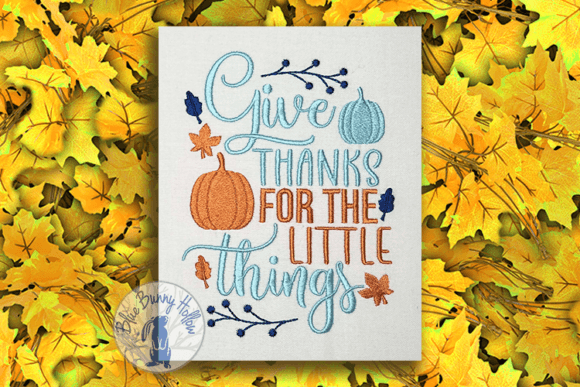
The title alone sets a specific mood. Give Thanks for the Little Things does not scream for attention with neon colors or aggressive fonts. Instead, it whispers warmth. The description highlights a charming arrangement of pumpkins and leaves, which suggests a rustic, farmhouse aesthetic that remains incredibly popular among buyers seeking authentic handmade products. In a sea of loud, over-digitized graphics, this design offers a breath of fresh air. It feels soft, inviting, and grounded.
For a craft fair seller, this is crucial. Customers at weekend markets are often looking for items that evoke a feeling of home and comfort. This design delivers that emotional connection instantly. It is not trying to be modern minimalism or high-fashion avant-garde; it is celebrating the cozy simplicity of fall. That clarity of purpose makes it easier to market because the customer immediately understands the vibe.
Versatility Across Product Lines
One of the strongest assets of this machine embroidery design is its adaptability. I tested it across several common small shop products to see where it truly shines.
- Tote Bags: This is arguably the best canvas for this artwork. A natural cotton tote provides the perfect neutral background for the warm thread colors of pumpkins and leaves. The design acts as a focal point without overwhelming the bag’s utility.
- Tea Towels and Aprons: Kitchen textiles are huge sellers during Thanksgiving. The apron embroidery potential here is high, especially if placed on the bib or lower corner. However, you must be mindful of the fabric texture. Terry cloth can swallow small details, so this design works best on smooth flour sack towels or woven aprons.
- Embroidered Patches: If you create iron-on patches, this arrangement translates well. It allows customers to add a touch of fall to jackets or existing bags without buying a whole new item.
- Pillow Covers: For home decor, this design adds a seasonal accent that doesn't feel tacky. It bridges the gap between Halloween and Christmas decor nicely.
When considering Etsy seller strategies, remember that this design photographs beautifully. The organic shapes of leaves and pumpkins create interesting shadows and depth in product photos, which increases click-through rates on digital listings.
Production Practicality and Stitch Density
From a production standpoint, time is money. A design that takes four hours to stitch is rarely viable for a high-volume craft fair unless you are charging premium prices. While I do not have the exact stitch count for Give Thanks for the Little Things, the description of a "charming arrangement" suggests moderate coverage. It is likely not a solid fill-heavy design, which is good news for your needle breakage rate and production speed.
However, you must check the stitch density before running a full batch. Dense areas around the pumpkin stems or lettering can cause puckering if not stabilized correctly. I recommend using a cut-away stabilizer for stretchy fabrics like tote bags and a tear-away for stable wovens like pillow covers. Always test the design on scrap fabric first. Do not assume the default settings will work for your specific machine and thread brand.
Another critical factor is the hoop size. Ensure the design fits comfortably within your standard hoops. If the arrangement is wide, you might need a 5x7 or 6x10 hoop. Trying to squeeze a large design into a 4x4 hoop can distort the proportions, making the pumpkins look squashed and the lettering unreadable.
Visual Appeal and Customer Attention
In a crowded booth, visual hierarchy matters. Give Thanks for the Little Things works because it balances text and imagery. The phrase invites the viewer to pause and read, while the pumpkins provide immediate seasonal context. This dual engagement keeps customers at your display longer.
Thread color selection is vital here. Do not default to bright orange. Consider using muted tones like burnt sienna, mustard yellow, and olive green. These colors feel more premium and align with current interior design trends. High-contrast thread against dark fabric can also make the design pop, but ensure the lettering remains legible. Tiny lettering often gets lost if the contrast is poor or if the stitch type is too thin.
Careful-Use Notes for Designers
Before you commit to producing fifty units, consider these potential pitfalls:
- Small Lettering: If the font in the design is delicate, avoid stitching it on textured fabrics like linen or heavy canvas. The texture can obscure the thin stitches, making the message unclear.
- Curved Surfaces: Stitching this on caps requires careful hooping. The curvature can distort the arrangement. Use a cap frame and consider reducing the size slightly to maintain proportion.
- Digital Embroidery File Checks: Always inspect the file in your software. Look for jump stitches that are too long or unnecessary trims that waste time. A clean embroidery file saves you headaches during production.
Maximizing Value for Your Handmade Business
Using Give Thanks for the Little Things effectively can boost your brand consistency. If your shop focuses on rustic, heartfelt goods, this design reinforces that identity. It is not just a seasonal fluff piece; it is a statement about gratitude and simplicity. This emotional resonance increases the perceived value of the finished product.
For those selling digital embroidery file versions, create a high-quality printable mockup showing the design on various items. Show potential buyers how it looks on a tote, a towel, and a patch. This helps them visualize the end result and increases conversion rates. Remember to confirm commercial licensing terms before selling any physical items made from this design. Most designers allow finished product sales, but always double-check to protect your business.
In conclusion, Give Thanks for the Little Things is a strong contender for your fall inventory. It balances aesthetic appeal with production practicality. By paying attention to fabric choice, stabilizer, and thread colors, you can turn this charming arrangement into a best-selling craft fair product that customers will cherish for seasons to come.